Affordability barrier stalls sustainability adoption in Singapore: Singlife
The index showed price remains the main constraint.
Singaporeans largely accept personal responsibility for reducing environmental harm, but affordability remains the main factor limiting deeper sustainability adoption, according to the Singlife–SGFIN Sustainable Future Index 2026.
The index showed that 83% of respondents believe they have a personal responsibility to reduce their environmental impact, whilst only four in 10 said they are willing to pay more for more sustainable products or services.
Six in 10 respondents said they are willing to buy from brands perceived to be more sustainable, indicating that sustainability considerations influence purchasing decisions when higher prices are not required.
The survey recorded the highest uptake in lower-cost or low-effort actions, with 96% of respondents having taken or intending to take action on using reusable bags or containers, and 94% reporting the same for taking public transport, walking or cycling.
Despite Generation Z recording the highest sustainability awareness at 60%, older cohorts reported higher take-up of everyday actions such as recycling, with 77% of Boomers and 72% of Generation X saying they recycle, the index reported.
The findings highlight cost sensitivity as the key constraint on sustainability behaviour in Singapore, despite high levels of awareness and personal ownership reflected across the survey.
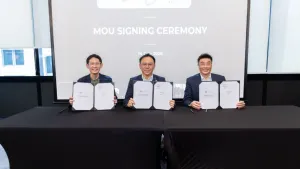
The Singlife–SGFIN Sustainable Future Index 2026 is based on an online survey of 1,500 Singaporeans and permanent residents conducted between September and October 2025, measuring behaviour across 25 sustainability actions using an Awareness–Knowledge–Ownership–Action framework.