Data centres test Asia’s power planning
STT GDC and TNC say growth needs earlier coordination on energy renewables water and siting.
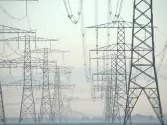
Asia’s data centre capacity is set to double by 2030, putting pressure on power, water, land and natural systems unless operators, governments and investors plan infrastructure earlier.
Reflecting on themes from ATxEnterprise 2026, Tamara Singh of The Nature Conservancy and Sharmel Ali of ST Telemedia Global Data Centres said the growth is being driven by cloud, AI and digital services.
Ali said some markets are already seeing data centre demand test energy systems that were not designed for large-scale intensive infrastructure, especially as countries pursue carbon commitments.
“When data centers are actually developed without coordinated energy planning, sustainability usually falls behind,” he said.
For Ali, the issue is whether power planning, renewables, efficiency and grid resilience are designed from the start. STT GDC said it reached over 78.5% renewable energy usage across the group in 2024, in line with its goal of being carbon neutral by 2030.
Singh said the industry must treat nature as part of infrastructure, not as a constraint added after sites and designs are fixed. “The infrastructure that powers our digital future must work with nature, not against it,” she said. The Nature Conservancy uses SiteRight to help locate assets and Nature for Water to help secure water sources and protect investments.
Both speakers said collaboration must begin before sites are locked in and designs are finalised. That requires operators, governments, utilities, communities, investors and conservation groups to align earlier on land use, water, energy systems and clean energy access.
Sustainability breaks down when environmental input arrives too late and commercial timelines have already taken over. Singh pointed to the US, where US$64b of data centre projects were unable to proceed in 2025 because of citizen action over environmental impact, as a warning that communities can block projects when nature is ignored.
Operators, governments and investors share responsibility for making Asia’s data centre build-out green enough to last.