Indonesia grid disruptions underscore need for rooftop solar and battery storage
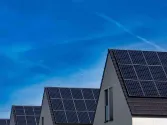
Installed rooftop solar capacity stood at 853 MW, well below regional peers.
Recent power outages in Sumatra and the Java-Madura-Bali grid have exposed weaknesses in Indonesia's electricity system and highlighted the role rooftop solar could play in improving energy resilience, but policy restrictions and high costs continue to limit deployment, a think tank said.
The Institute for Energy Economics and Financial Analysis (IEEFA) said in a report published on 29 June that the outages highlighted the need to strengthen grid reliability and resilience whilst expanding distributed renewable energy.
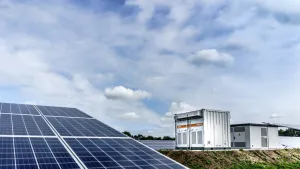
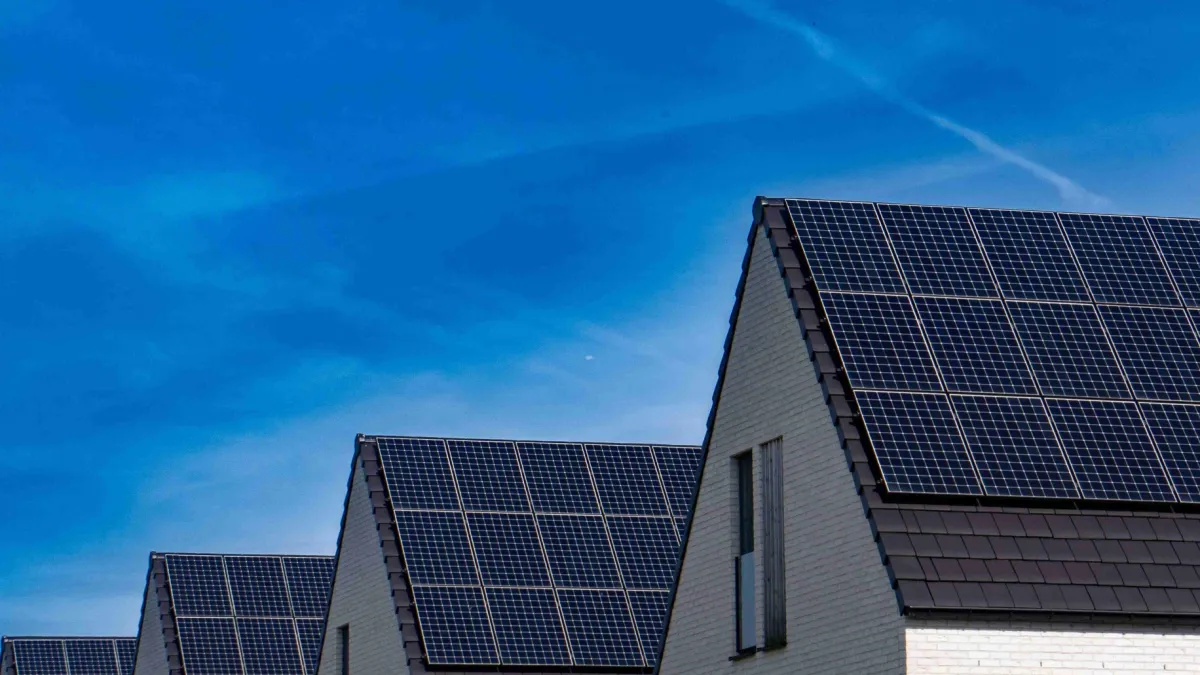
It said rooftop solar paired with battery energy storage systems (BESS) could provide distributed electricity generation that helps households, businesses, and local governments maintain power during grid disruptions.
Unlike conventional thermal generation, rooftop solar does not rely on fuel supply chains and is less exposed to fuel shortages and commodity price volatility, IEEFA said.
Indonesia had installed 853 megawatts of rooftop solar capacity by 2025, well below Vietnam's 6.9 gigawatts (GW), Thailand's 3.6 GW, and Malaysia's 1.8 GW, the report said.
It attributed the gap to restricted net metering, rooftop solar connection quotas, high upfront costs, and subsidised electricity tariffs that weaken the financial case for installation.
The report said current regulations limit Energy Service Company (ESCO) contracts to five years, making it difficult for households and local governments to spread installation costs over time.
“Accelerating rooftop solar deployment in Indonesia will require several policy reforms, including reinstating meaningful net metering, revising quota regulations, supporting the ESCO model, and expanding permitting provisions to include BESS,” it said.
It added that rooftop solar deployment should be accompanied by investment in transmission networks, grid modernisation, and maintenance to improve the reliability and resilience of Indonesia's electricity system.
"Investment in rooftop solar and BESS should be viewed as part of a broader strategy to strengthen energy security," IEEFA said.