LNG bunkering rules raise costs and lock suppliers into full value chain
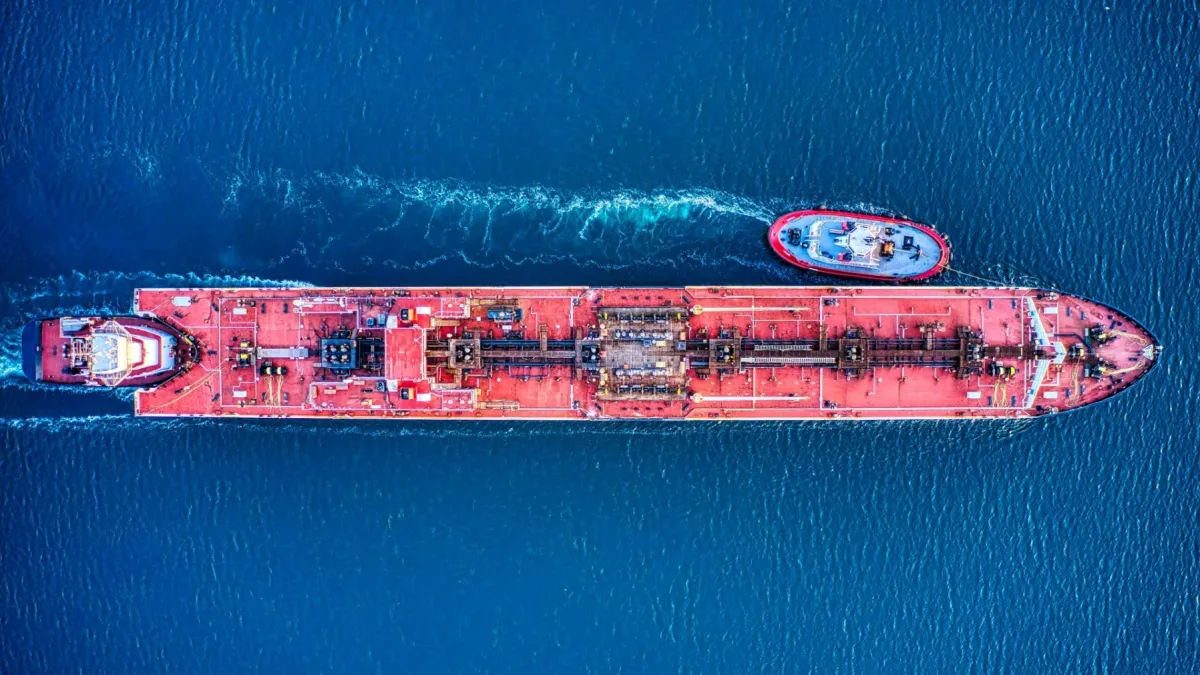
They must own or charter LNG bunkering vessels and secure storage and delivery capacity.
Singapore’s liquefied natural gas (LNG) bunkering suppliers face higher costs and more complex operations as regulators tighten requirements around vessel ownership and fuel supply chains to safeguard reliability and prepare for cleaner marine fuels.
Under the revised framework, suppliers must own or charter LNG bunkering vessels and secure storage and delivery capacity, effectively committing them to managing the full value chain.
Analysts said the changes could reshape investment decisions and operational planning for years, favouring bigger players with strong balance sheets and logistics.
“Dedicated storage at the Singapore LNG Corp. Pte Ltd. terminal may increase costs through capacity reservation fees and reduce flexibility compared with spot LNG bunker sales,” Amanda Kang, a natural gas and LNG research analyst at S&P Global Commodity Insights, said in an emailed reply to questions.
She added that suppliers would need to balance higher fixed costs against the benefit of more predictable access to supply.
The rules also explicitly factor in readiness for future fuels, including bio-LNG and e-LNG, as Singapore positions itself as a hub for lower-carbon marine fuels.
That broadens the scope of compliance from bunkering logistics to fuel sourcing, emission tracking, and certification.
Mahua Chakravarty, an editor at energy pricing firm Argus Media Ltd., said suppliers couldn't just focus on the last mile.
“Every step has to be accounted for, from sourcing LNG to delivery and bunkering,” she told Singapore Business Review via Zoom. “The Maritime and Port Authority (MPA) wants to ensure supply continuity and stable delivery at all times.”
Singapore is the world’s biggest bunkering hub. Bunker fuel sales rose 3.4% to 571,400 tonnes in 2025 from a year earlier, with LNG increasing 23% to 571,400 tonnes, according to MPA data.
Market data underscore the cost pressures facing suppliers. Industry price assessments put Singapore’s LNG bunker price at around $783 (US$606) per metric tonne early this year, down from roughly $842 (US$651) late last year, reflecting delivery premiums and logistical costs in the regional LNG bunkering market.
Three licensed suppliers operate three LNG bunkering vessels: FueLNG Bellina, FueLNG Venosa and Brassavola, with capacities ranging from 7,500 to 18,000 cubic metres.
Some suppliers, including units of global energy companies, operate bunkering vessels under charter arrangements, a structure now formalised under the revised rules.
Although the framework encourages preparedness for bio-LNG and e-LNG, analysts caution that demand remains nascent.
Kang said the requirement is designed to preserve future flexibility rather than reflect present blending demand.
Even so, with Singapore considering sea‑based reloading and alternative methane sourcing, suppliers may have little choice but to plan ahead as regulation tightens and competition intensifies.